

Sharma Technocast is an ISO 9001:2015 certified forging manufacturer in India. Our forging facility produces heavy open die and press forgings up to 30 tonnes single piece: shafts up to Ø 1,500 mm and 15,000 mm long, and rings, flanges, gear blanks and tube sheets up to Ø 3,000 mm, on 5,000-ton and 1,500-ton hydraulic forging presses with manipulators. Smaller parts are made by closed die, hammer and roll forging on drop hammer lines, a steam hammer and a screw press. Every forging is heat-treated, tested and, where required, finish-machined before dispatch, in carbon, alloy and stainless steels for power, oil & gas, steel, cement, mining, railway, shipbuilding and heavy-engineering OEMs worldwide.
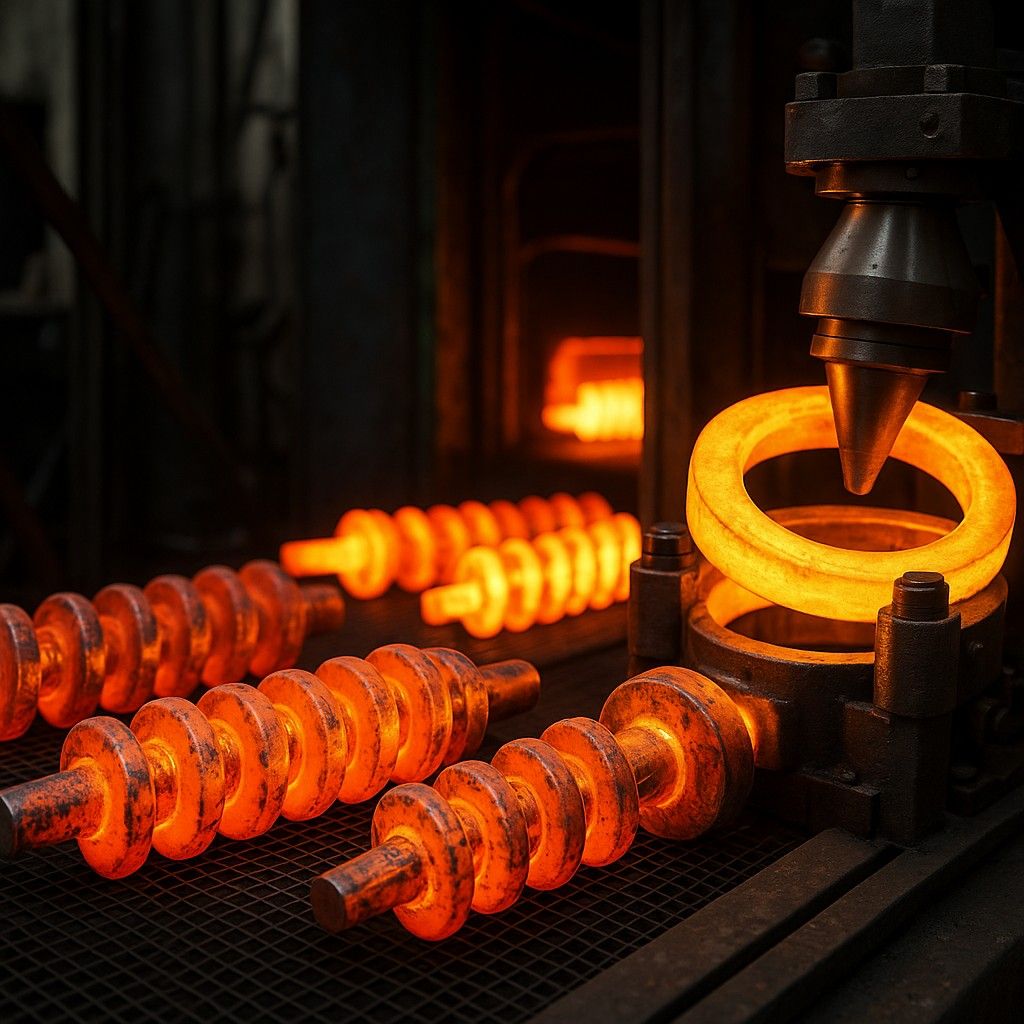
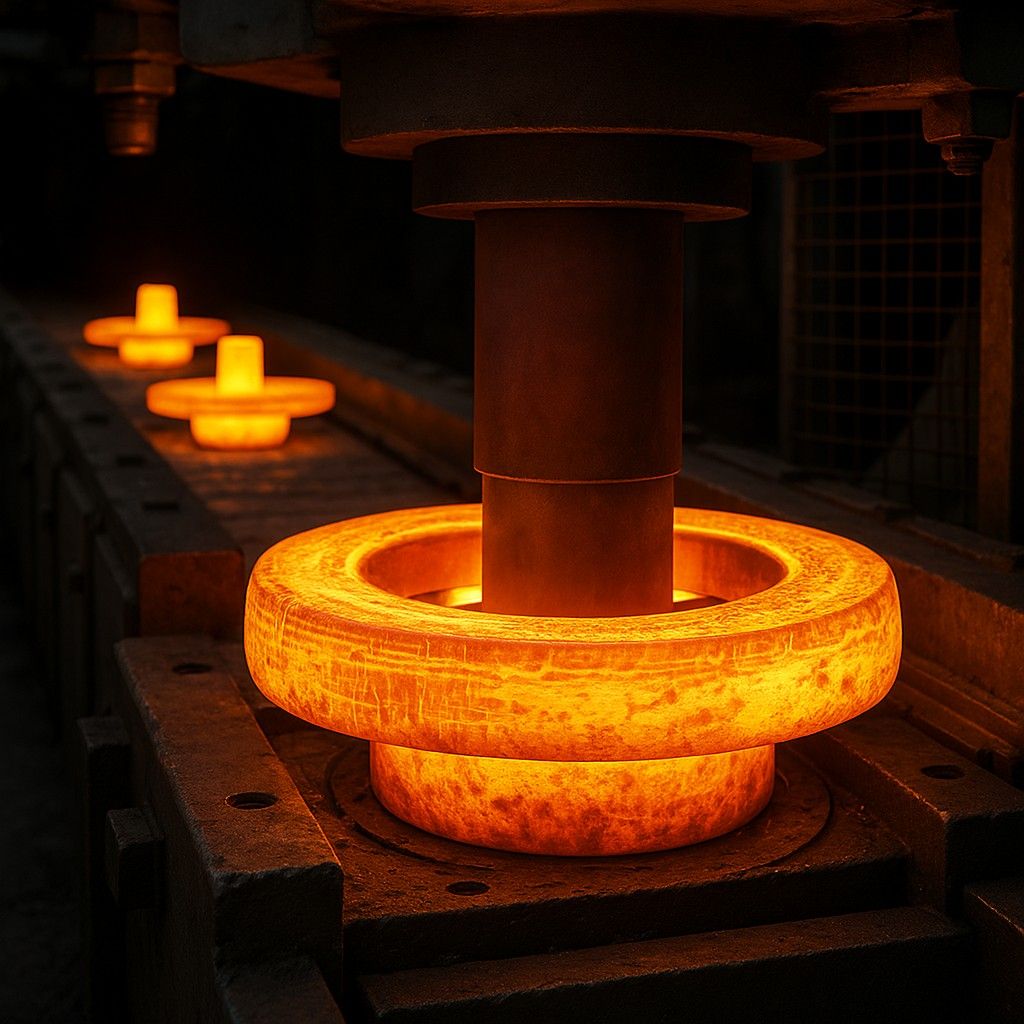
Open die, closed die and roll forging under one roof, up to 30 tonnes single piece, with heat treatment, testing and finish machining.
| Process | Equipment | Max size / weight | Best for |
|---|---|---|---|
| Heavy open die forging | 5,000 T hydraulic forging press, 30 t-m manipulator | Up to 30 t; round shafts Ø 1,500 × 15,000 mm | Shafts, rolls, rotors, rams, blocks |
| Medium press forging | 1,500 T and 1,250 T hydraulic presses, 10 t-m manipulator | Medium-weight forgings | Step shafts, hubs, couplings, spindles |
| Hammer forging | 10 MT steam hammer, 6 T pneumatic hammer line | On request | Free-forged shafts, flanges, blocks |
| Closed die forging | 1.5–4.5 T drop hammer lines, screw press line, in-house die shop | On request | Near-net-shape parts in volume: crankshafts, axle parts, gear blanks |
| Roll forging | Roll forging line | On request | Shafts, tapered parts, axle beams, gear blanks |
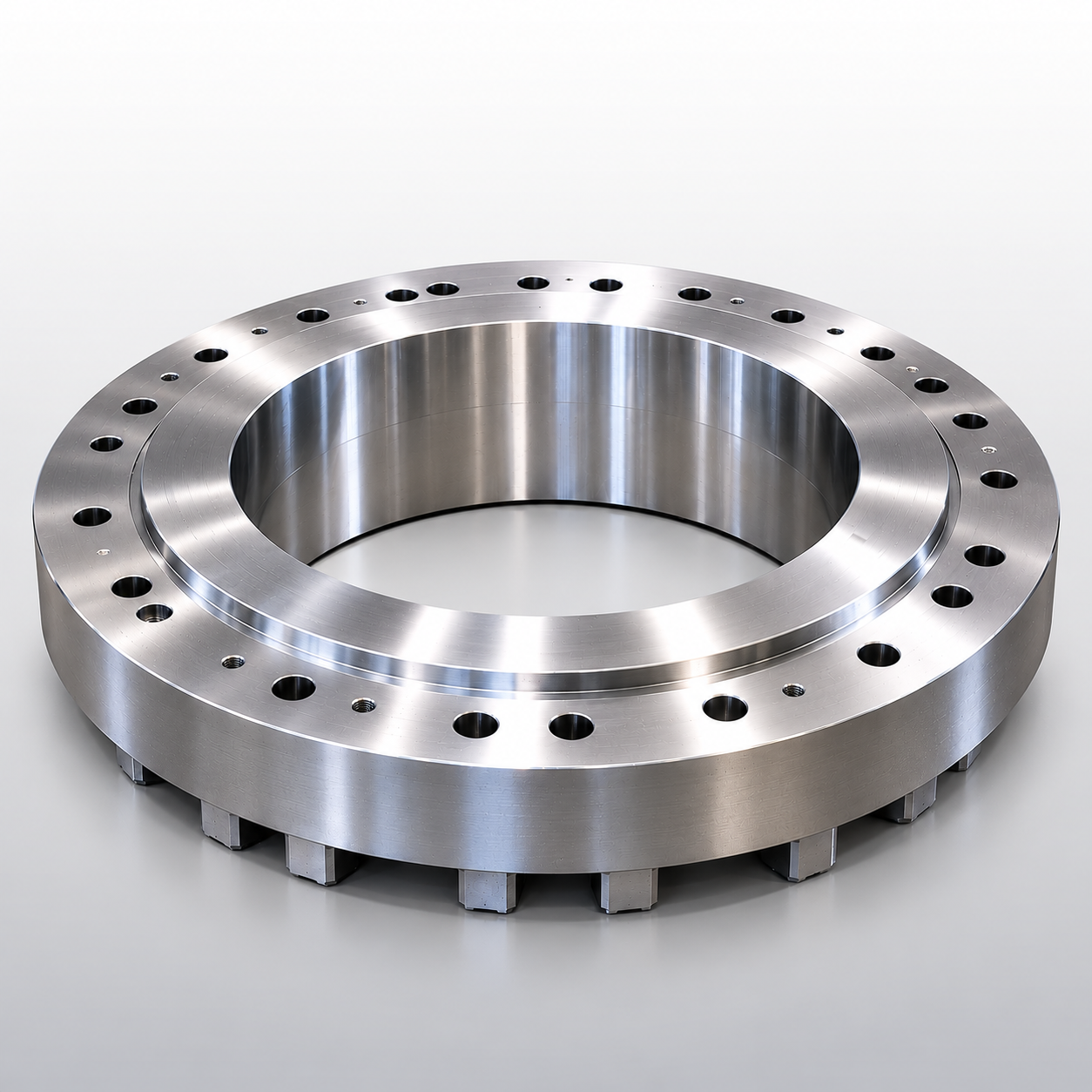
| Rings, discs & flanges | Upset and press forging | Up to Ø 3,000 mm; rings and flanges up to 20 t, discs up to 30 t | Rings, non-standard flanges, gear blanks, tube sheets, crane wheels |
| Hollow & rectangular forgings | 5,000 T / 1,500 T presses | Hollow OD 1,500 / ID 1,000 × 10,000 mm; sections 1,500 × 12,000 mm; up to 30 t | Hollow shafts, bushes, blocks, cross heads |
| Heating & heat treatment | Gas-fired furnaces up to 1,400 °C, bogie heat-treatment furnaces, polymer and oil quench tanks | Furnace 4 × 2.5 × 9 m, 50 t; quench tanks 2.5 × 3.5 × 9 m | Normalising, annealing, quenching & tempering |
| Finish machining | 20 CNC lathes, 8 HMCs, vertical boring, 7 cylindrical grinders | Turning Ø 1,200 × 10,000 mm; vertical boring Ø 5,000 mm | Proof-machined or ready-to-fit forgings |
Need a forging outside these ranges? Send your drawing and we will confirm feasibility within 24–48 hours.
Send Your RFQWe enhance the mechanical properties and durability of every forged component through precise heat treatment:
This ensures structural stability, wear resistance, and optimized performance in downstream CNC machining and industrial applications.
We forge carbon, alloy, and stainless steels to EN, AISI, ASTM, SAE and IS standards, including grades such as EN8, EN19, EN24, AISI 4130, 4140 and 4340, ASTM A105, A350 LF2 and A182 F-series (F11, F22, F304, F316), plus hot die steels. Forgings are supplied as rough-forged, proof-machined or fully finished, as round bars, flat bars, discs, rings or complex shapes.
Our material selection ensures strength, fatigue resistance, and long-term reliability across power, oil & gas, railway, mining and heavy engineering industries.
Every batch is heat-treated and tested before dispatch, with full material traceability:
Our in-house gas-fired heat treatment furnaces (up to 50 t) with polymer and oil quench tanks deliver normalising, annealing, quenching and tempering to meet your specified mechanical properties.
We deliver complete engineering support through:
Our team ensures design feasibility, performance optimization, and cost-effectiveness for every forged component.
Each route suits a different combination of size, volume and tolerance. The full forging process, including the steps involved and where defects originate, is covered separately.

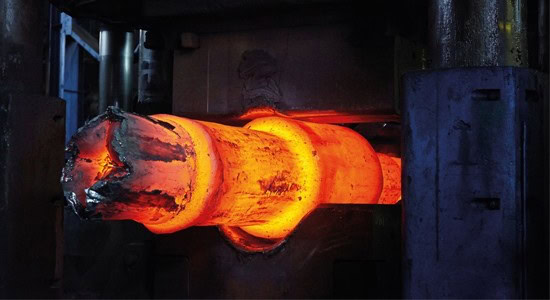
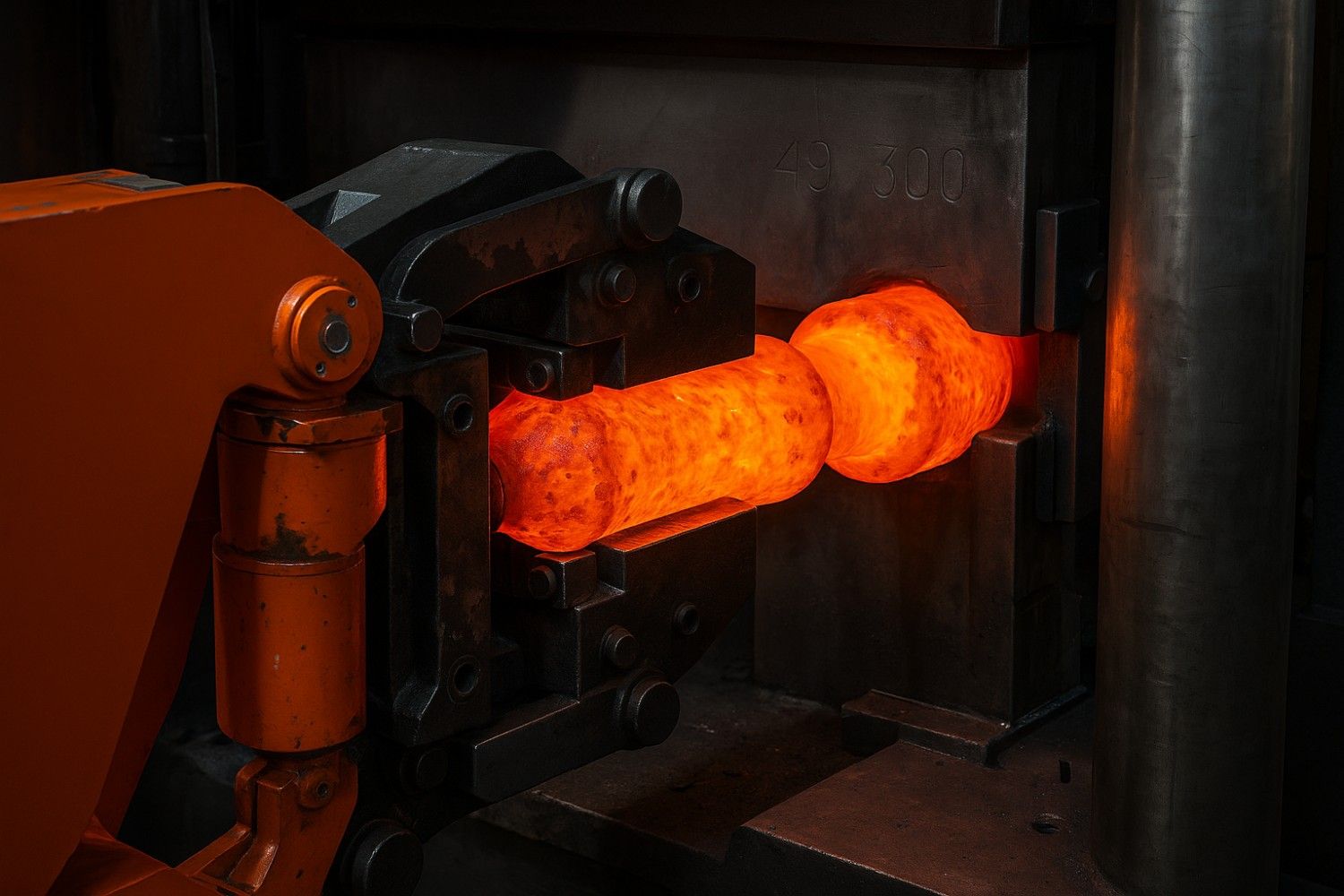
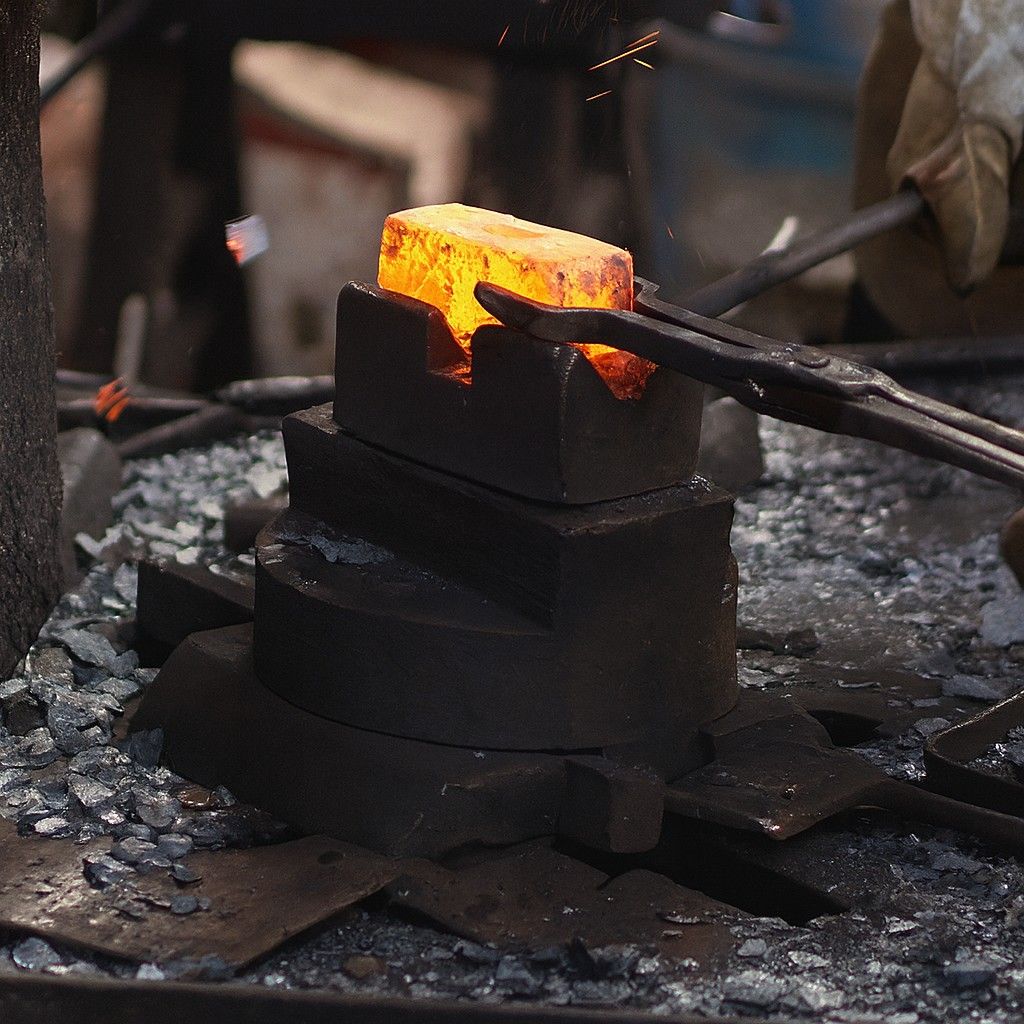
Open die forging is a flexible and robust metal shaping process that transforms raw materials into precision-engineered components. Commonly used for large, custom shapes, this method enhances metal grain structure, improves mechanical properties, and ensures dimensional integrity. Ideal for low-volume production, aerospace applications, and heavy machinery components, open die forging offers superior strength and versatility
Read the full open die forging guide →

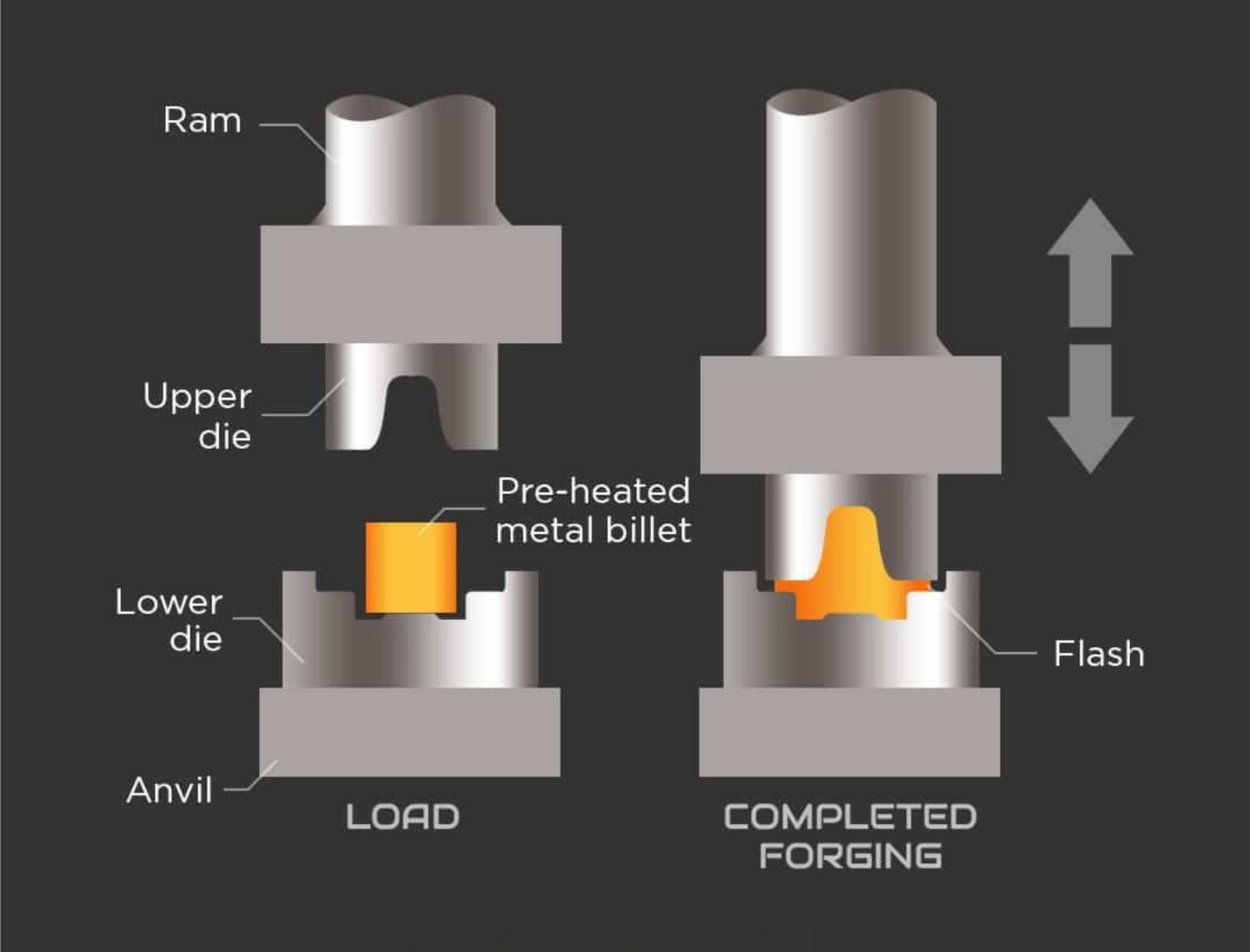
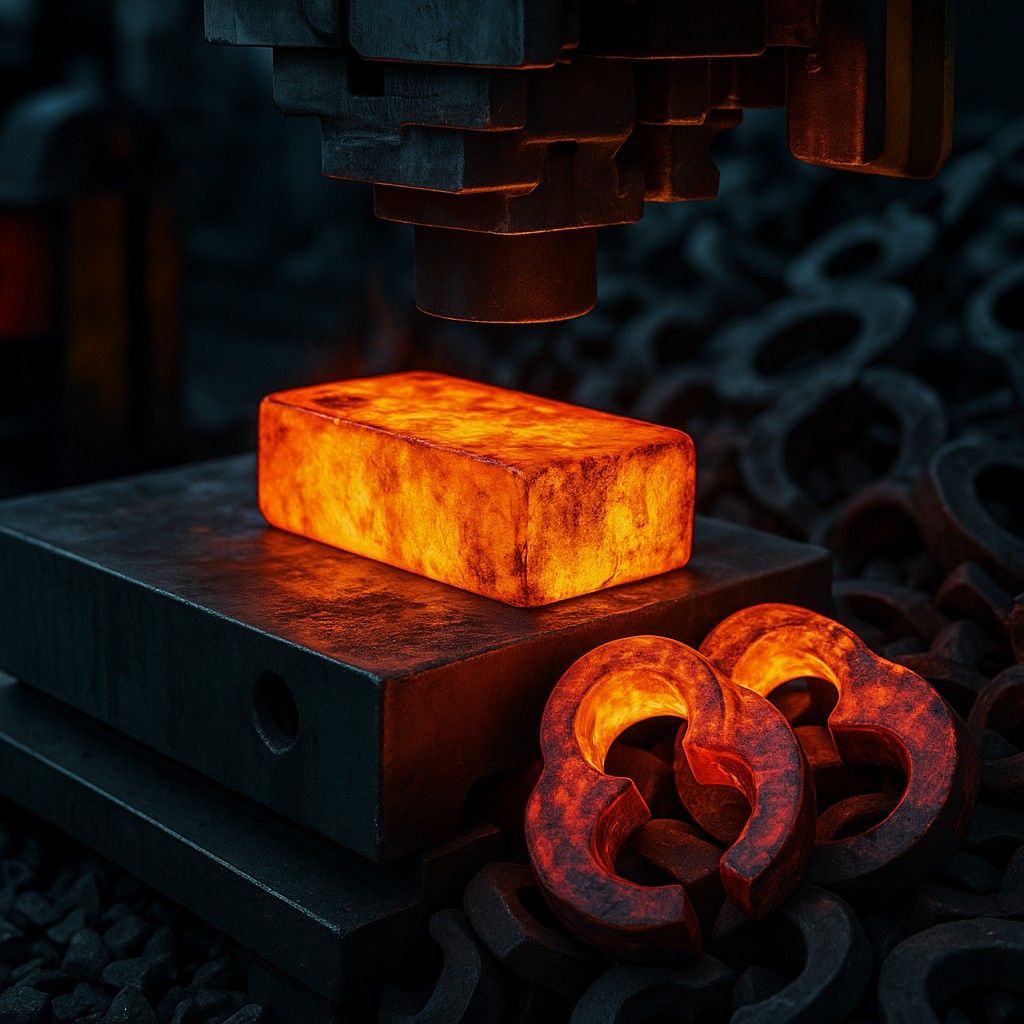
Also known as impression-die forging, closed die forging is ideal for producing high-strength, high-precision components with complex geometries. Widely used in automotive, aerospace, and energy sectors, this method provides tight tolerances, improved grain flow, and repeatable near-net-shape production. It is the preferred solution for applications requiring maximum strength, accuracy, and reliability.
Read the full closed die forging guide →

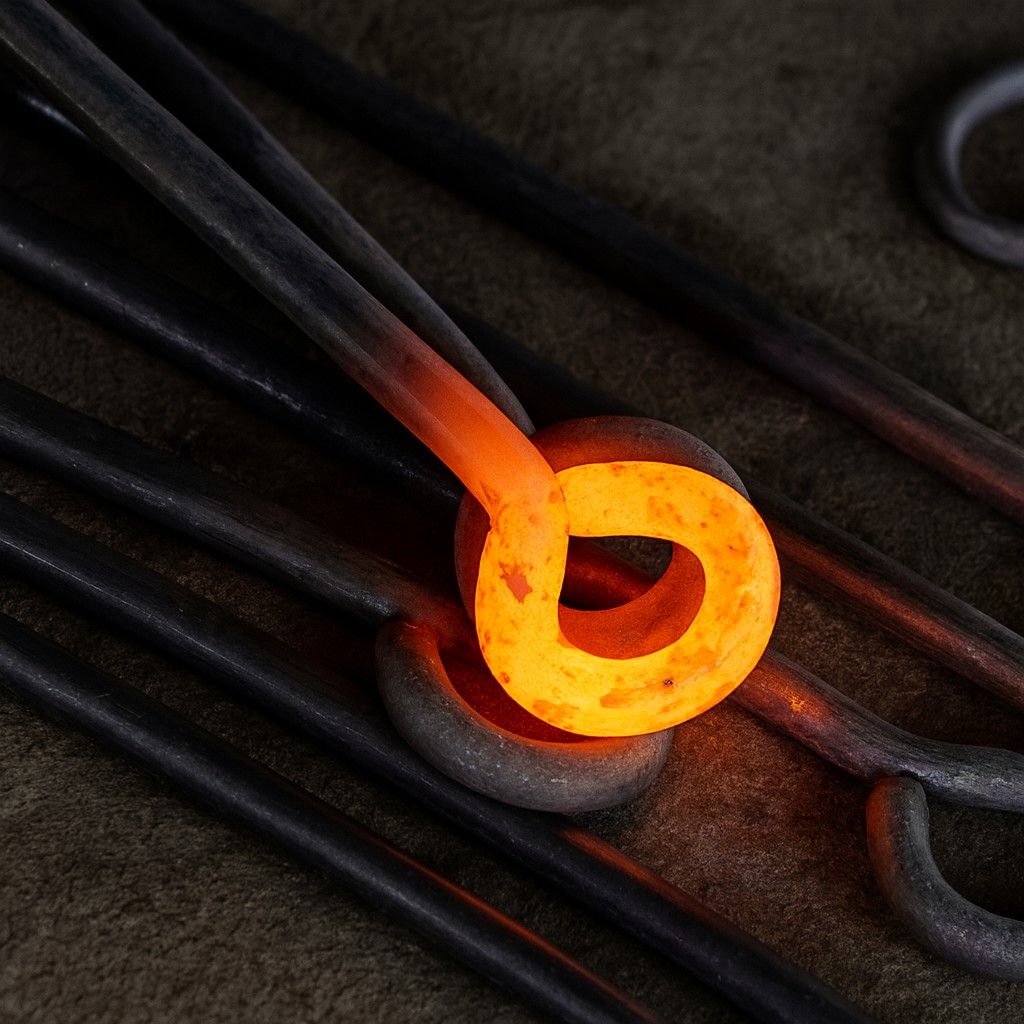
Roll forging is a continuous forging process where metal billets are compressed between rotating rolls to create uniform and durable shapes. Perfect for shafts, tapered parts, and gear blanks, roll forging enhances metal strength, reduces material waste, and is highly suitable for high-volume production in railways, construction equipment, and automotive industries.
Read the full roll forging guide →
Sharma Technocast is ISO 9001:2015 certified (accredited and verifiable on IAF CertSearch). Every batch is heat-treated and tested before dispatch, and we welcome third-party inspection by your nominated agency.
| Certification | ISO 9001:2015 Quality Management System |
|---|---|
| Non-destructive testing | Ultrasonic flaw detection (4 × Modsonic Einstein-II DGS), magnetic particle testing, dye penetrant testing |
| Mechanical testing | Digital universal testing machine (200 kN, Krystal Elmec), impact testing (KI-300), optical Brinell hardness testing (KB-3000) |
| Metallurgical & dimensional | Inverted metallurgical microscope with image analysis, profile projector |
| Chemical analysis | For every heat, to the specified grade |
| Heat treatment | Gas-fired bogie furnaces up to 50 t and 1,200 °C, polymer and oil quench tanks (2.5 × 3.5 × 9 m) |
| Documents supplied | Material test certificates, UT and NDT reports, heat treatment charts, dimensional reports |
Ready to get started? Contact us today to discuss your project.