Metal Pipe Reducer

Metal Pipe Reducer Manufacturer in India

Concentric and eccentric pipe reducers in carbon steel, stainless steel, alloy steel, and specialty grades — for pipeline, process, power, and heavy engineering piping systems.
Sharma Technocast is a metal pipe reducer manufacturer in India supplying industrial pipe reducers to OEM buyers, EPC contractors, fabrication shops, and plant maintenance teams across India and for export. We manufacture concentric pipe reducers and eccentric pipe reducers in carbon steel, stainless steel, alloy steel, aluminum, and galvanized steel — in sizes from 1/2″ x 3/8″ NPS to 48″ x 36″ NPS and beyond for custom large diameter requirements. Every steel pipe reducer is manufactured to ASME B16.9 and MSS SP-75 standards with full material traceability and documentation.

What Is a Metal Pipe Reducer?

A metal pipe reducer is a pipe fitting used to connect two pipes of different diameters within an industrial piping system. The reducer transitions the flow from a larger pipe to a smaller pipe — or from a smaller pipe to a larger pipe — while maintaining the structural integrity and pressure rating of the system.

Pipe reducers are essential components in virtually every industrial piping network. Whenever a piping system needs to change diameter — to connect different-sized equipment, adapt to pump inlet and outlet sizes, match vessel nozzle connections, or transition between header pipes and branch lines — a steel pipe reducer is required. Without a properly manufactured and specified reducer, the transition between pipe sizes would create turbulence, pressure loss, mechanical stress, and potential failure points in the system.

Pipe reducers are classified into two fundamental types — concentric reducers and eccentric reducers — each serving a distinct purpose based on the piping layout and flow requirements. Selecting the correct type, material grade, and size combination is critical for system performance, and Sharma Technocast works with industrial buyers to supply the right pipe reducer for every application.

Concentric Pipe Reducer vs Eccentric Pipe Reducer

Key Differences
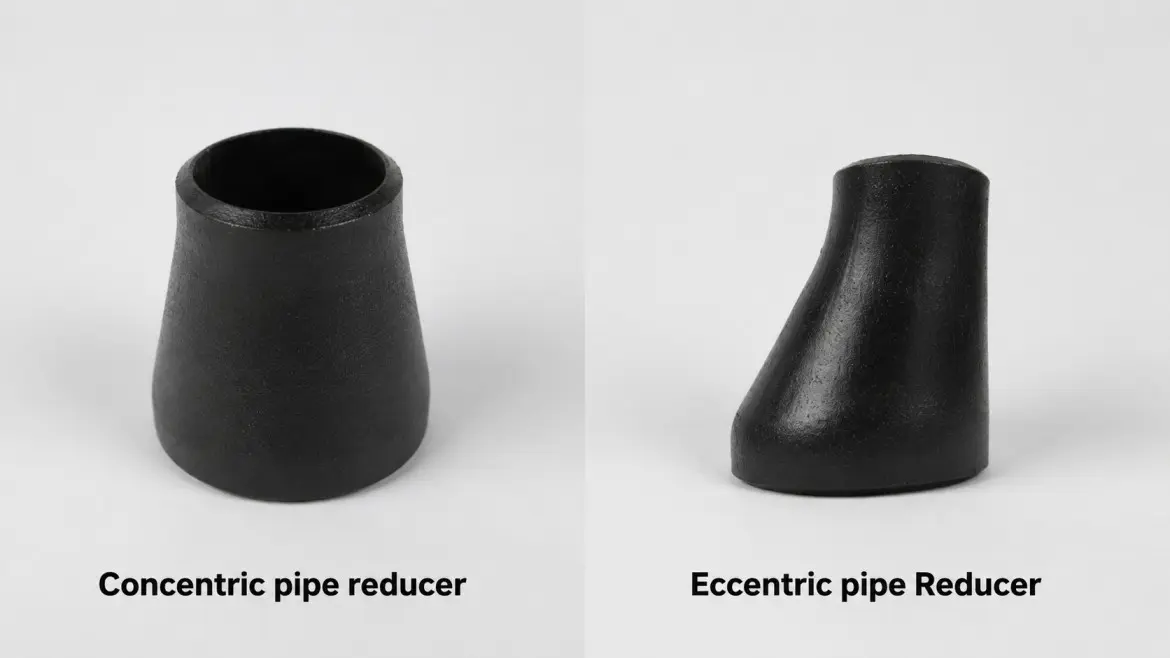
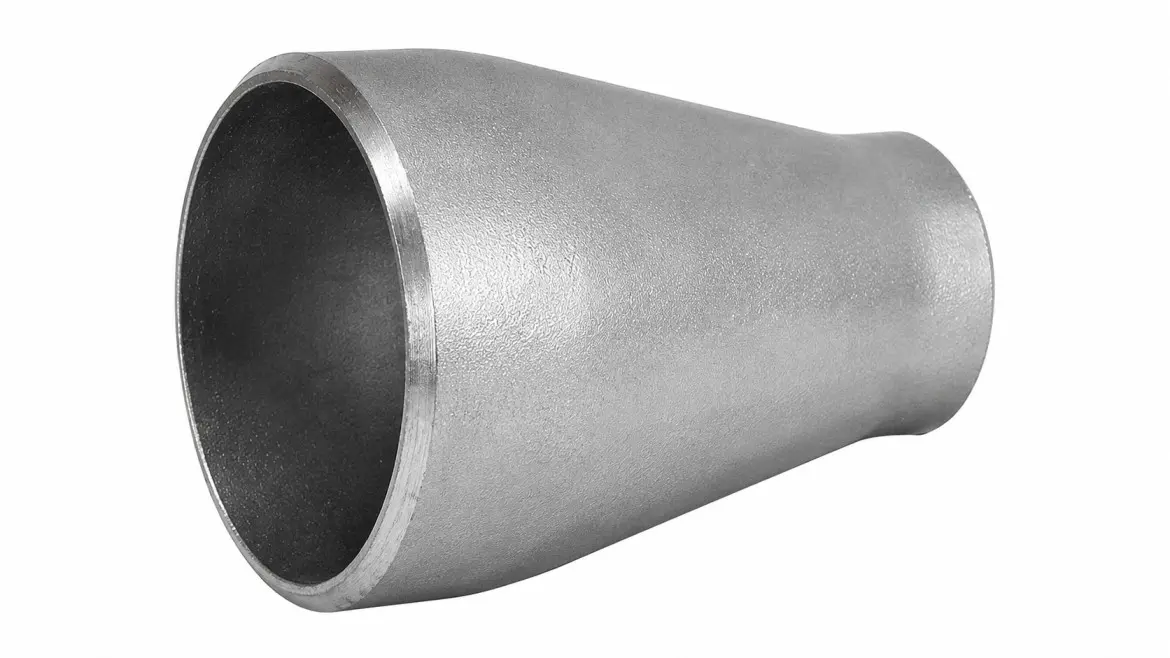
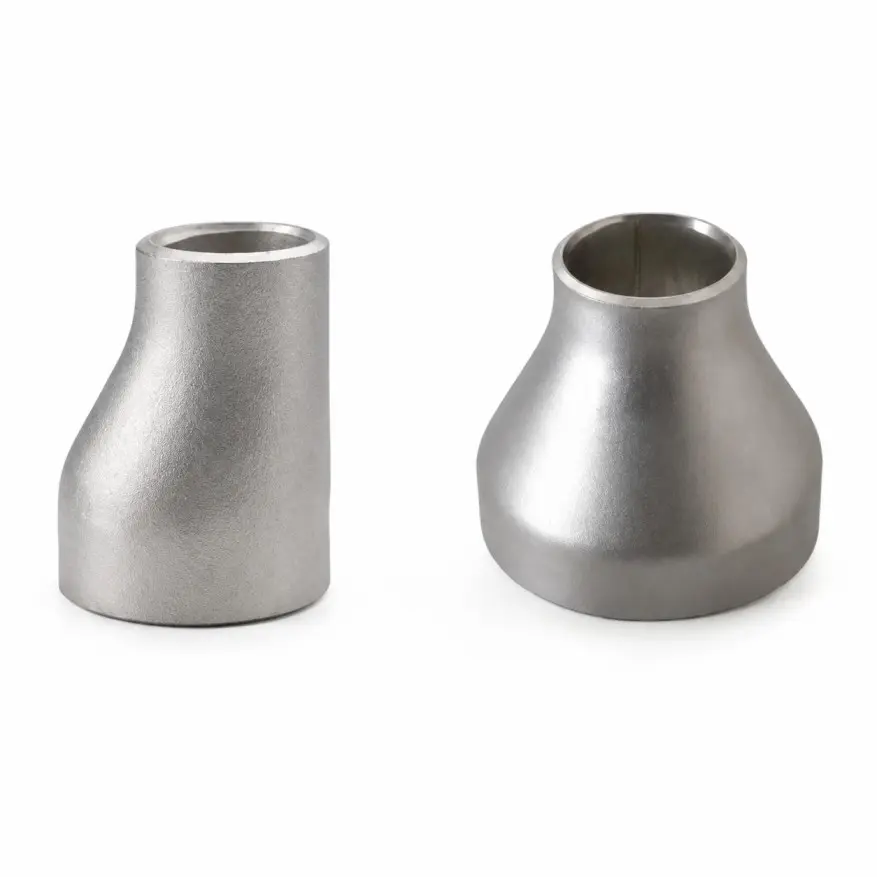
A concentric pipe reducer has a symmetrical cone shape where both the larger and smaller pipe ends share the same central axis. The reduction in diameter happens evenly and symmetrically around the pipe centerline.
 
When should a concentric reducer be used?
Concentric reducers are simpler to manufacture, lower in cost, and the default choice in most vertical and gas-service piping installations.
An eccentric pipe reducer has an asymmetrical shape where one side of the reducer is flat (either the top or the bottom) while the opposite side tapers to accommodate the diameter change. The larger and smaller pipe ends do not share the same central axis — one edge remains aligned while the other transitions.
 
When should an eccentric reducer be used?
Eccentric reducers are slightly more complex and costly than concentric types but are essential for proper system function in horizontal liquid-service and pump suction applications.
Factor Concentric Reducer Eccentric Reducer
Shape Symmetrical cone — centered Asymmetrical — one flat side
Center Axis Large and small ends share same axis Offset — one edge aligned, one tapered
Primary Use Vertical piping, gas service Horizontal piping, liquid service
Air Accumulation Possible in horizontal liquid lines Prevented with flat-on-top orientation
Liquid Pooling Possible in horizontal lines Prevented with flat-on-bottom orientation
Pump Suction Used in vertical pump suction Used in horizontal pump suction (flat-on-top)
Pipe Rack Support May require offset supports Maintains flat BOP elevation — uniform support
Cost Lower Slightly higher
Standard ASME B16.9 ASME B16.9

Materials Available

Sharma Technocast supplies metal pipe reducers in a comprehensive range of industrial materials matched to the specific pressure, temperature, and corrosion requirements of each piping application.

Metal Pipe Elbow Specifications

Sharma Technocast supplies industrial pipe elbows in a comprehensive range of materials to meet the specific requirements of every piping application — from standard carbon steel for general service to high-alloy grades for extreme temperature, pressure, and corrosion conditions.
Parameter Details
Material Carbon Steel, Stainless Steel, Alloy Steel, Mild Steel, Galvanized Steel, Aluminum
Standards ASME B16.9, ASME B16.28, MSS SP-75, ASTM A234, ASTM A403, ASTM A420
Angles 45°, 90°, 180° (Custom angles available on request)
Bend Radius Long Radius (1.5D), Short Radius (1D), 3D, 5D, 10D
Size Range 1/2" NPS to 48" NPS (Larger sizes available via fabrication or induction bending)
Wall Thickness / Schedule SCH 5, SCH 10, SCH 20, SCH 40, SCH 60, SCH 80, SCH 100, SCH 120, SCH 160, XXS
End Connection Buttweld (BW), Socket Weld (SW)
Surface Finish As-Formed, Shot Blasted, Painted, Hot-Dip Galvanized, Pickled & Passivated (SS)
Manufacturing Method Seamless, Welded, Fabricated, Forged, Induction Bent
Testing Hydrostatic Test, PMI, UT, RT, HIC, NACE MR0175 (Sour Service), Dimensional Inspection
Documentation MTC EN 10204 3.1, Chemical & Physical Test Reports, Dimensional Certificates

How Are Pipe Reducers Manufactured?

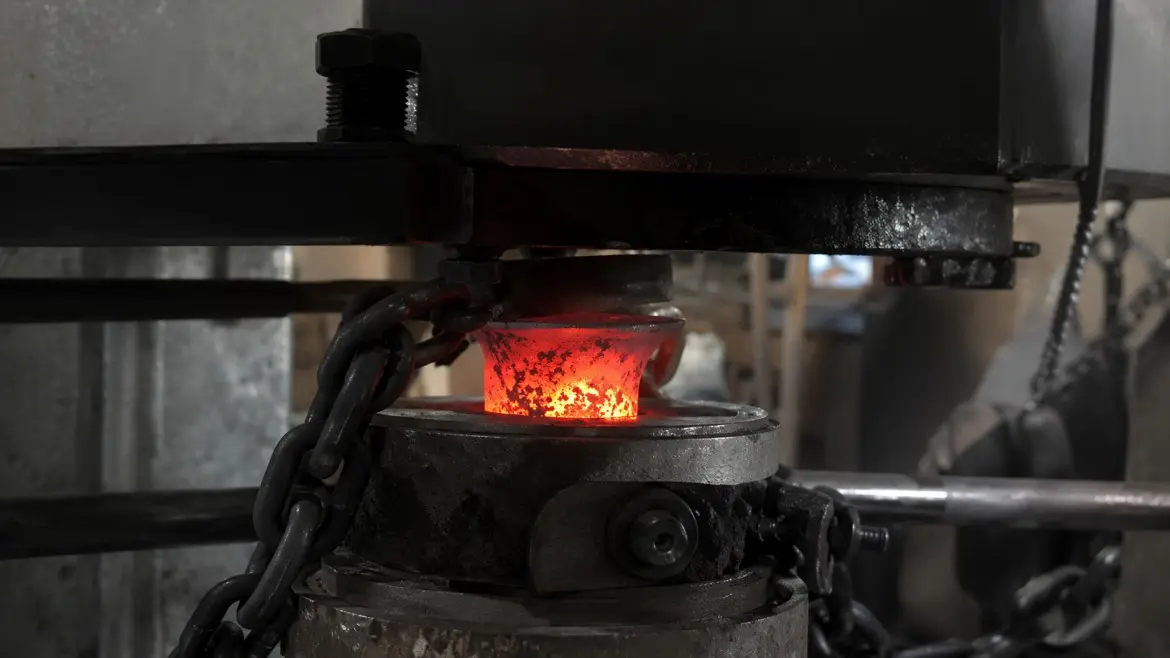
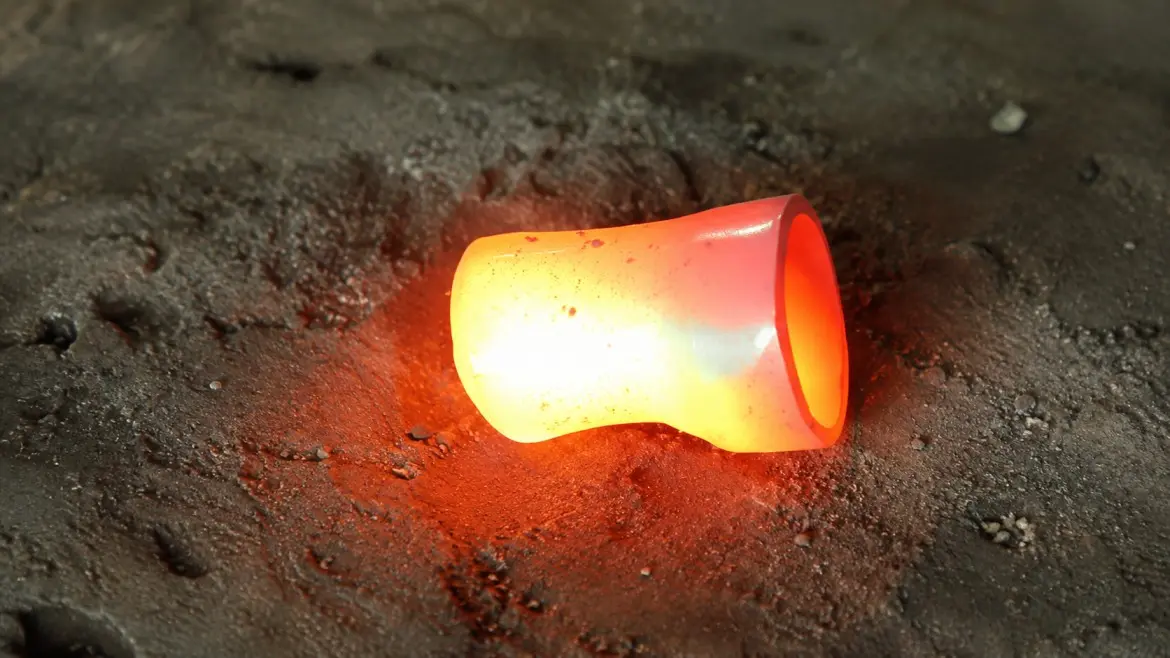
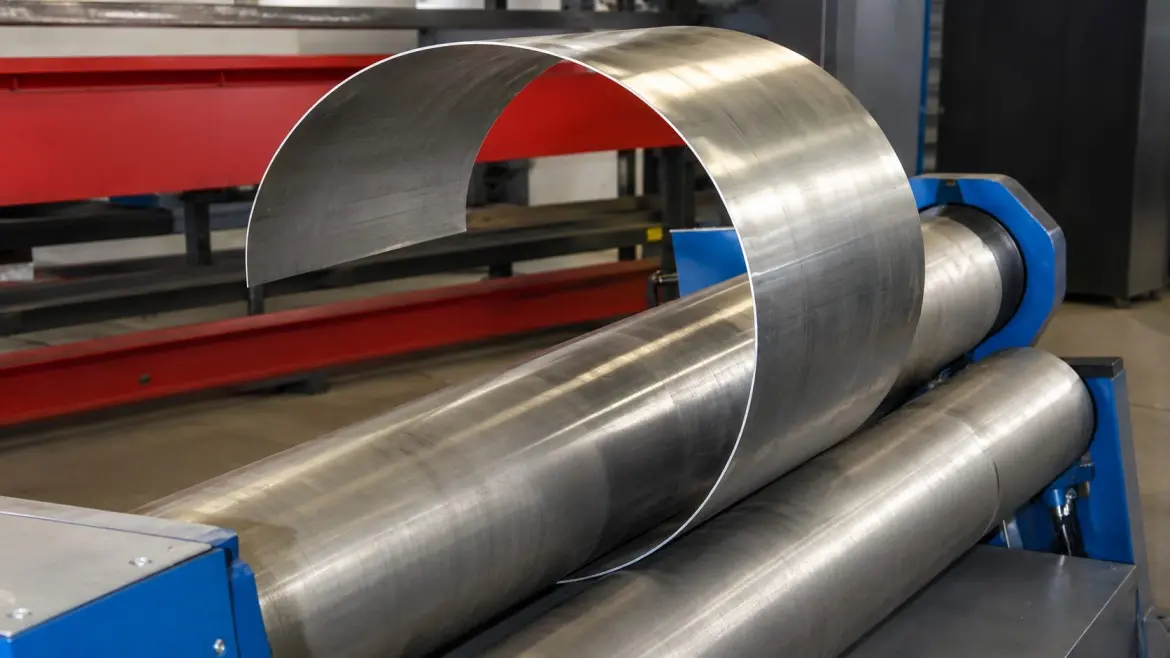
Metal pipe reducers are manufactured through several distinct processes depending on the size, type, material, and application requirements.

Request For Quote!

Sharma Technocast supplies metal pipe elbows for industrial piping projects across India and for export. Share your requirements and our team will respond with a detailed quotation.

Industries That Use Metal Pipe Reducers

Oil and gas

carbon steel pipe reducers for transmission pipelines, gathering systems, processing facilities, and refinery piping operating under high pressure and temperature conditions

Petrochemical and chemical processing

stainless steel pipe reducers for process industries handling corrosive fluids, acids, alkalis, and high-purity chemicals in reactor and transfer systems

Power generation

alloy steel pipe reducers for boiler piping, superheater connections, steam headers, turbine inlet and outlet piping, and cooling water systems at thermal and nuclear plants

Pulp and paper

industrial piping reducers for chemical recovery, bleaching, and stock preparation systems requiring corrosion-resistant materials

Water treatment and distribution

galvanized steel and mild steel pipe reducers for municipal water networks, sewage treatment, desalination plants, and fire protection systems

Shipbuilding and marine

stainless steel and aluminum pipe reducers for seawater cooling, ballast systems, fuel lines, and deck piping on naval and commercial vessels

HVAC and building services

mild steel and galvanized pipe reducers for heating, cooling, drainage, gas distribution, and fire suppression piping in commercial and industrial buildings

Pharmaceutical and food processing

316L stainless steel pipe reducers for high-purity process piping, CIP systems, WFI loops, and sanitary transfer lines

Frequently Asked Question

A metal pipe reducer is a pipe fitting that connects two pipes of different diameters, allowing the piping system to transition between pipe sizes while maintaining pressure integrity and structural strength. Reducers are available in concentric and eccentric configurations.
A concentric reducer has a symmetrical cone shape with both pipe ends sharing the same center axis. An eccentric reducer has one flat side with an offset center axis. Concentric reducers are used in vertical piping and gas service. Eccentric reducers are used in horizontal piping to prevent air pockets (flat-on-top) or liquid pooling (flat-on-bottom).
Concentric reducers should be used in vertical piping runs, gas service piping, vertical pump suction lines, and any application where the pipeline runs vertically and air accumulation is not a concern. They provide uniform, symmetrical flow transition.
Eccentric reducers should be used in horizontal piping runs, horizontal pump suction lines (flat-on-top to prevent cavitation), pipe rack installations where a flat bottom-of-pipe elevation is required, and slurry or viscous fluid lines where a flat bottom prevents sediment accumulation.
Sharma Technocast manufactures pipe reducers in carbon steel (ASTM A234 WPB), stainless steel (304, 304L, 316, 316L, 321), alloy steel (WP5, WP9, WP11, WP22, WP91), mild steel, galvanized steel, and aluminum (ASTM B361 WP6061).
Standard pipe reducers are available from 1/2" x 3/8" NPS up to 48" x 36" NPS. Large diameter pipe reducers beyond 48" NPS are manufactured as fabricated reducers (plate-rolled and welded) for pipeline and heavy engineering projects.
All pipe reducers are manufactured to ASME B16.9 (buttweld fittings), MSS SP-75 (high-test wrought fittings), ASTM A234 (carbon and alloy steel), ASTM A403 (stainless steel), ASTM A420 (low-temperature carbon steel), and ASTM B361 (aluminum). Additional project-specific standards are available on request.
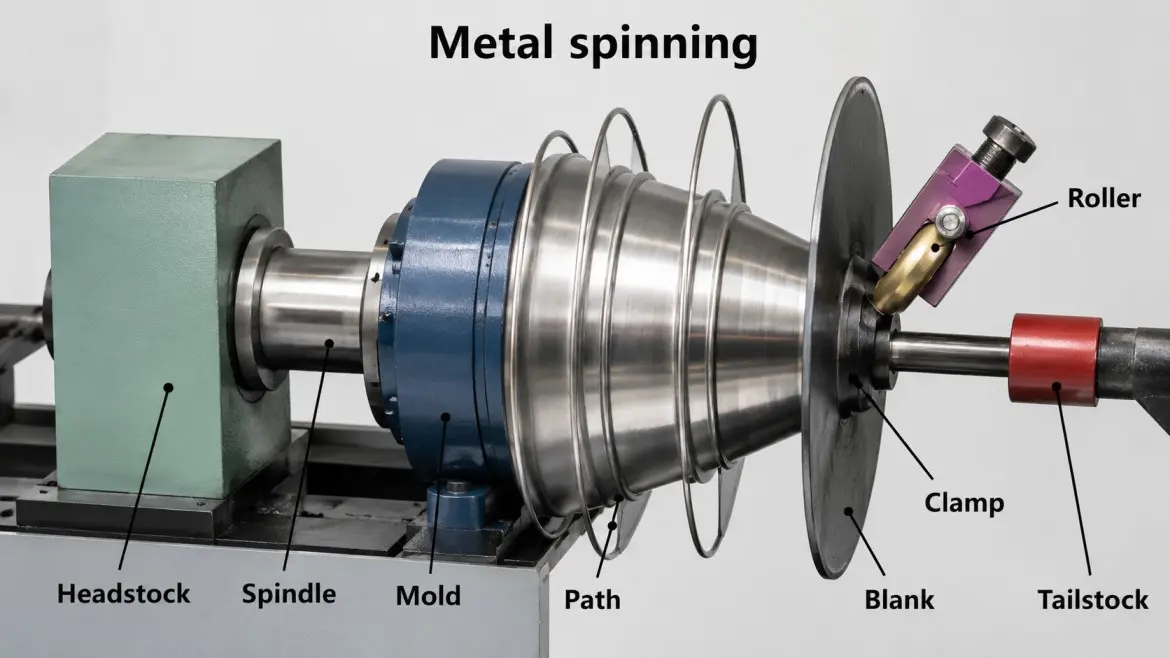
Pipe reducers are manufactured through hot press forming (standard sizes), forging (high-pressure applications), fabrication by plate rolling and welding (large diameters), and spin forming (smaller precision reducers). The method is selected based on size, material, and application requirements.
Yes. Sharma Technocast manufactures custom pipe reducers for industrial applications including non-standard size combinations, special wall thicknesses, oversized diameters, and material grades beyond standard specifications. Share your drawing or specification for a quotation.
Yes. Every pipe reducer order includes mill test certificates (MTC EN 10204 3.1), dimensional inspection reports, and applicable test reports including hydrostatic test, PMI, UT, RT, and HIC based on the project specification requirements.

Get a Quote for Metal Pipe Reducers

Sharma Technocast supplies concentric and eccentric pipe reducers for industrial piping projects across India and for export. Share your requirements and our team will respond with a detailed quotation.
 

What to include in your enquiry:

 
  • Reducer type — concentric or eccentric
  • Material and grade (e.g. ASTM A234 WPB, 316L SS, WP22 alloy)
  • Size — large end NPS x small end NPS and schedule
  • Quantity
  • End connection type — buttweld or socket weld
  • Applicable standards and testing requirements

+91-97266-66123

Let’s engineer your next success story.

Contact us today to discuss your custom manufacturing requirements.

View Next Page >>